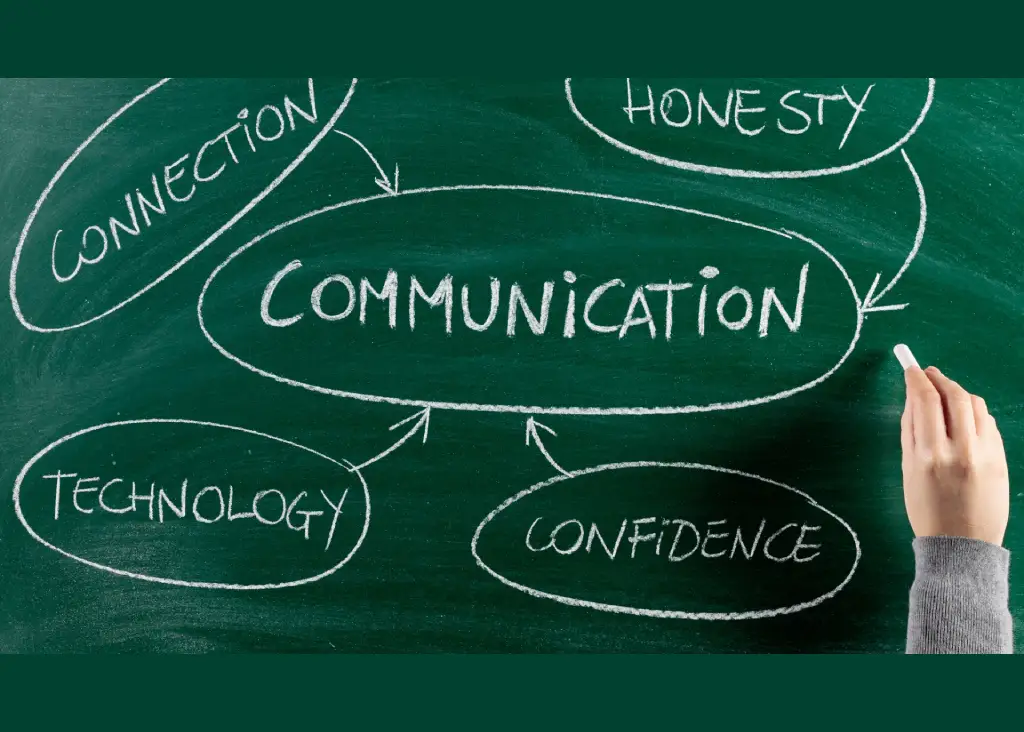

Corporate Communication is a dynamic and exciting field which helps establish the flow of communications and information, both within and outside a company. The Corporate Communication specialist leads the development and presentation of communication and is responsible for upholding a consistent and favorable image of the company. Communicating effectively the values, vision, purpose, objectives, and accomplishments of the organisation is one of the key roles undertaken by the corporate communication professional. Moreover, communication with other stakeholders, including workers, clients, investors, the media, the government, and society at large, is also included in corporate communication.
Corporate communication thus encompasses all workers, supervisors, investors, and stakeholders who convey the brand’s message to the outside market. A Corporate Communication professional has several communication channels at his disposal, such as:
The general public, clients, the media, the government, third-party regulators, shareholders, and prospective clients are all included in the audience of corporate communications. Facilitating to create the organization’s place in society as a leading and responsible organisation and helping to develop the corporate vision are the primary goals.
Reputation of an organisation are it’s most valuable assets. However, this is intangible . A corporate communication professional endevours to provide consistent messaging that communicates the organization’s goal, values, and vision. Every interaction thus becomes a chance to influence perception which over time helps create an enduring brand equity.
Building relationships with consumers is a critical function of the communication department. The public relations component of corporate communications includes fostering connections with clients and answering public questions. Creating newsletters, brochures, and other printed items intended for the general public. Additionally, corporate communicators oversee a company’s website and social media presence, which involves keeping an eye on what clients and consumers are saying about the business, negating false posts or information requests. When residents and clients have inquiries about a company’s intentions or operations, communication specialists may answer their calls and emails directly. They may organize group tours of a business’s activities and arrange for speakers from the company to represent it.
Silence may be harmful during uncertain times. Today, the public and stakeholders want to hear from the leadership. As the number of media outlets has grown and the internet has been more widely used, the role of corporate communications has expanded. This circumstance has raised the likelihood of crises, which might damage the company’s hard-earned image. A crisis necessitates quick action. Communicators come up with ways to escape the circumstance and lessen its effects. Crisis Management experts interact with the media, keep tabs on unfavorable stories and serve as management advisors.
Transmitting updates is only one aspect of effective internal communication. An important aspect of Corporate Communication is motivating action. Happy and satisfied employees are also the most productive ones. Moreover, Businesses frequently start campaigns to support new projects, reaffirm core principles, or improve employee wellness. For instance, a sustainability campaign may have seminars to promote shared responsibility, newsletters, and leadership videos. It is precisely the Corporate Communication team that helps communicate effectively with employees and internal teams and continue to build their morale towards better performance and more productivity.
Radio, television, newspapers, and magazines are crucial platforms for interacting with the public, investors, and consumers. For instance, if you introduce a new product, you may increase interest and exposure by sending a press release to publications and newspapers that cater to your target audience. Furthermore, a PR and Corporate Communication professional may send a press release outlining growth prospects or announce noteworthy new business victories to newspaper business or finance editors This is useful at various levels. When for instance one wants to draw in investors. Using press releases to inform local media about the economic and job advantages of ones new plans to win public support.
Social media platforms have completely changed how businesses interact with the outside world. Consumers, publics, investors – all expect the organisation to provide authentic and honest communication. These days, corporate communicators provide interesting and educational material that strikes a balance between public expectations and brand authenticity. These storylines, which range from senior LinkedIn updates to real-time Twitter comments, humanize the company and promote conversation.
With its emphasis on developing consistent messaging for key stakeholders, maintaining positive narratives on social media platforms; with its key objective of aligning communication tactics with organizational objectives, integrated corporate communication has today become imperative to the strategic management process.A corporate Communication professional utilises various techniques to evaluate the possible discrepancy between stakeholder expectations and corporate communication replies as well as for creating targeted tactics that bolster businesses’ reputational assets.
The way a business conveys its principles, objectives, and trustworthiness is equally as important to a brand’s public image as marketing. Corporate communication ensures that a business’s communications are transparent and consistent with its brand.
According to a corporate communication specialist, narrative is essential for fostering client loyalty and trust. Consumers relate to the narratives and effective storytelling underlying brands rather than only purchasing goods. Businesses that tell captivating stories about their impact, principles, and journey connect with their audience more.
For many years, the brand has maintained a devoted clientele by continuously conveying these principles through corporate messaging.
In what ways does storytelling improve a company’s reputation?
Companies that are adept in corporate storytelling not only draw in clients but also improve their connections with staff, investors, and the media. More than a record-breaker, we need a game-changer in today’s environment who will shift the course of the competition.
The Delhi School of Communication is an excellent option for mastering corporate communication because it blends academic knowledge with real-world work experience. Be it the flagship Post Graduate programme or the under graduate programme; key domains in communication such as Advertising, public relations, digital media, branding, and corporate communication are all included fostering a deep understanding of integrated marketing communications. This multidisciplinary approach aids students in comprehending how businesses manage brand reputation, interact with stakeholders, and convey messages effectively across many channels. The institute’s “work while you study” approach is practised via the concept of Internships; Apprenticeships in all the courses offered – be it the Post Graduation programme; under graduation programme or short term courses. This allows students to obtain practical experience while pursuing their education in key corporate organizations, media outlets, and PR firms. Experienced instructors and business experts who provide up-to-date perspectives and useful knowledge to the classroom are also beneficial to the institute. Thus, all things considered, DSC offers a comprehensive and fantastic combination of theory, hands-on training, and industry connections.