WELCOME TO
Celebrating 31 Years of Building the Future
and we have just one mission – carve you into the most sought-after communication professionals in the industry. We’ve already been doing it for almost three decades.
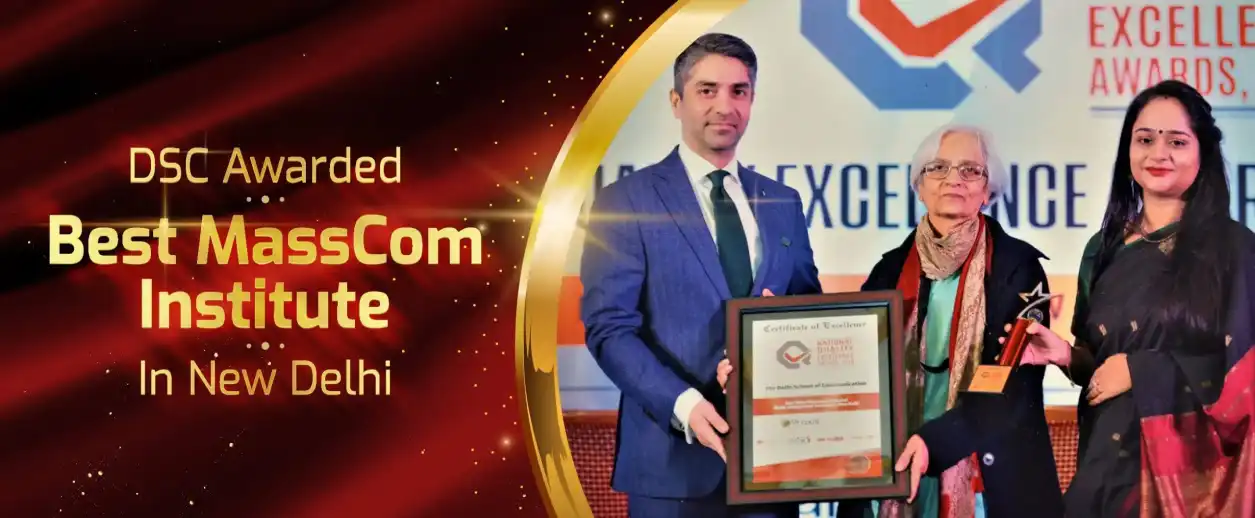
Becoming a DSCian means learning from the leaders in the industry, finding support from a large but close-knit community and being part of a proud alumni network. We are here to help you learn from the best and prepare you for the opportunities of your dreams.
DSC assists all its students to power their way through positions of leadership in communications. We show you how you can innovate to create work that leaves your mark wherever you go.


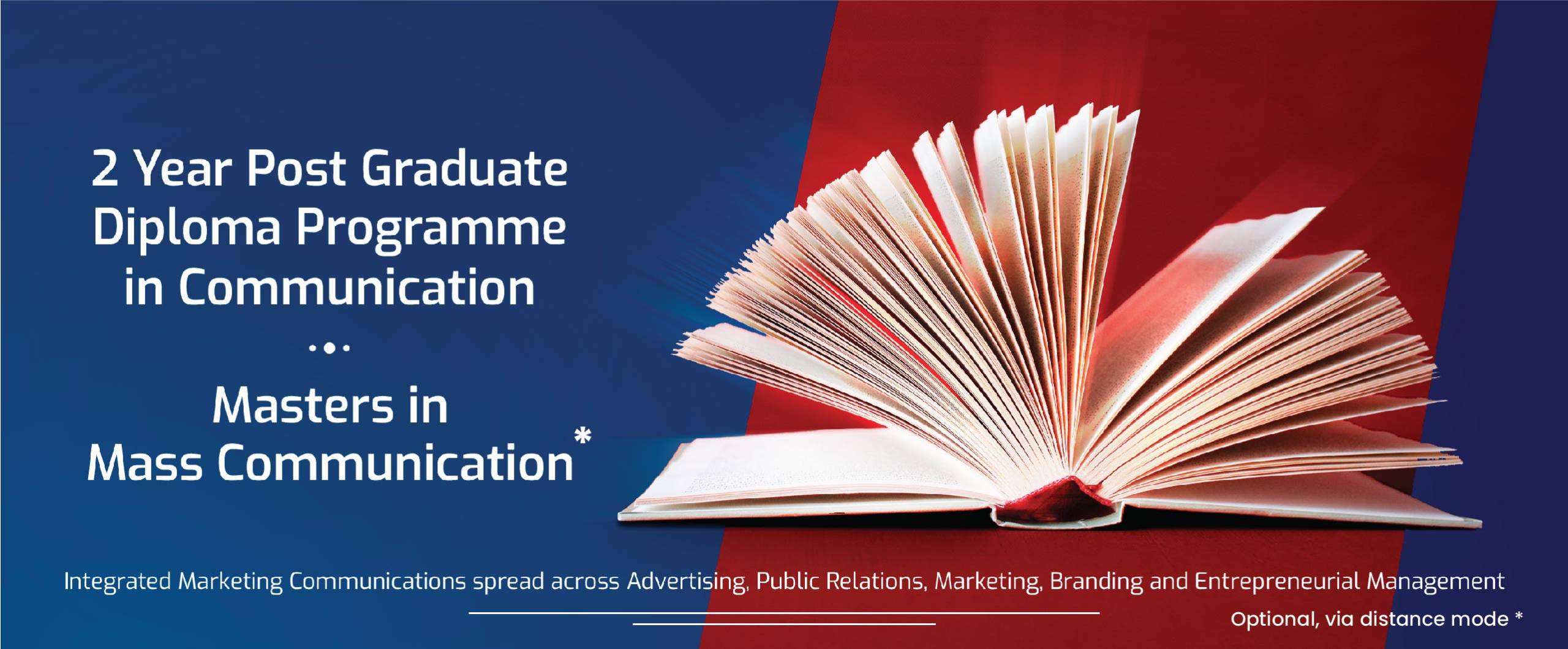
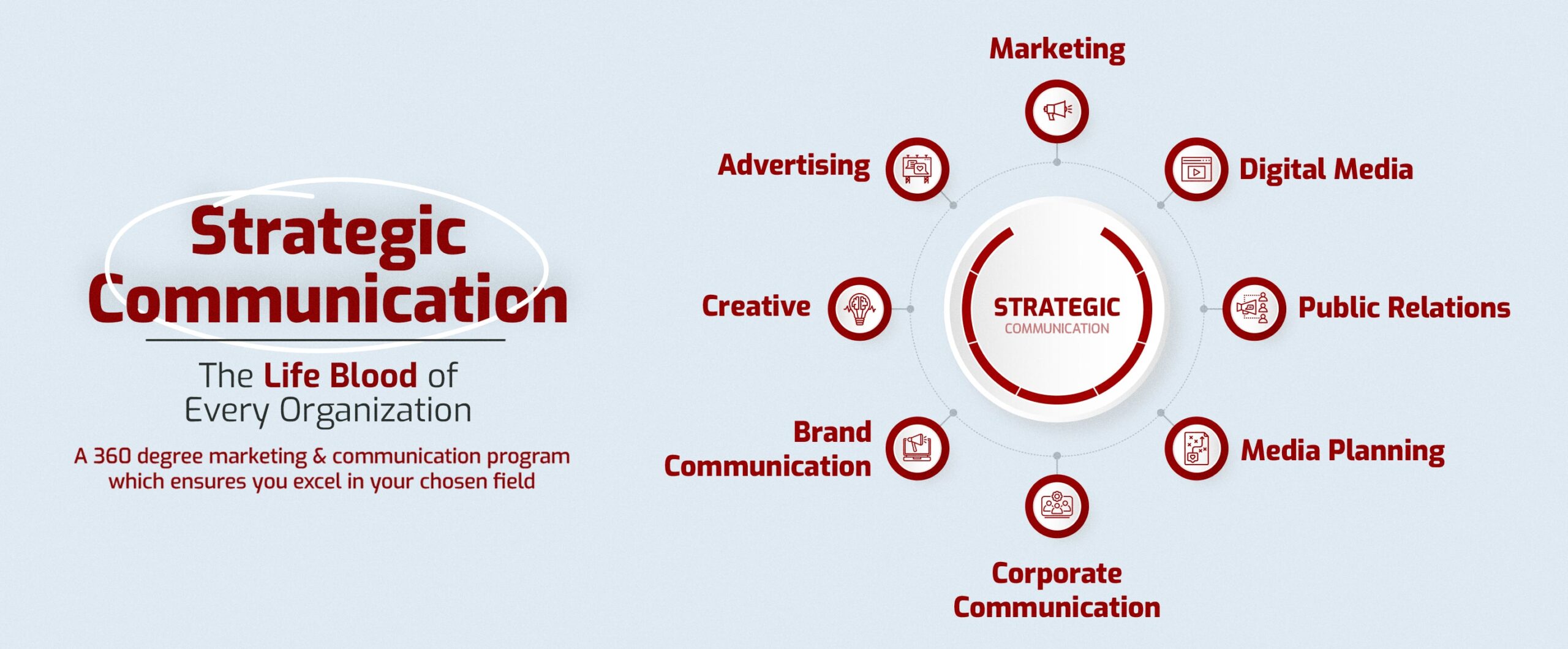

Two-Year Flagship Programme
Our vision is to educate leading professionals in the arts and communication; to inspire generations of students to think boldly and creatively; and to make sure that all we do—as students, faculty, and staff—brightens the cultural, social, political, and civic life around us.

DSCians today are artists, entrepreneurs, storytellers and marketers. In their fields, they are unstoppable. DSC alumni have shown us time and time again that we have been on track, whether it’s our teaching modules or our faith in the students we admit. We’d love for you to come and explore the journey of the many different creative forces at DSC.



I have been with DSC since 1999. Building and maintaining high standards of professional education for young adults is a greater challenge today. DSC has built its reputation as an Integrated Marketing Communication institution with constant upgradation as the basic element in its programme.

There is a stepping stone to each phase of our life. This phase of mine is called the career. And one place which has been a stepping stone and beyond has to be The Delhi School of Communication. I am honoured to be an Alumni of this institution.

DSC delivers the perfect combination of learning & continuous interaction with the fraternity, which is topped up with hands on job experience thereby giving all its students an edge over others at the beginning of the career itself. It surely has got its formula right to give what the industry needs!

The DSC Programme encourages a lot of creativity and lateral thinking in not only the copy and design courses but all subjects be it Cultural studies, PR and Brand presentations. Creativity in thought & practice is integral to the DSC way of life.
From Outgoing Students

My journey at The Delhi School of Communication has been transformative, shaping my skills in strategy, branding, and consumer insights. From crafting campaigns for Quench, Swiss Beauty, and ZERO to excelling in presentations like the Motul pitch, I’ve consistently challenged myself creatively. Interning at VML India and MSL India expanded my industry exposure, letting me work with leading brands and understand dynamic market trends. DSC has equipped me to craft compelling brand stories and connect meaningfully with audiences.

DSC is more than just a college to me, it is my home. It’s where I’ve witnessed growth, learnt valuable lessons, unlearnt old habits, and relearnt new ones. Before joining, I thought I knew myself inside out, but DSC helped me discover new facets to my personality. This community is truly a sacred space, a temple where I find solace and inspiration. As I reflect on my journey, I’m reminded of a poignant song lyric that resonates deeply: ‘Gurur Kyun Is Chand Ko Jab Bin Tere Na Chandani Sukoon Mile Jab Tu Dikhe Mere Liye Tu Laazmi’
Thank you, DSC, for being my sanctuary. You’ve given me so much more than I could have ever asked for!
The DSC curriculum leads the industry in innovation. For 28 years, we’ve embraced it as a tool that shapes futures. For us, the curriculum is not just an academic part of what a student learns. It needs to instill leadership qualities while preparing the students to be better human beings.


Director, Adfactors PR

Director, Zomato

Datapreneur, TheDATAFirm

Chief Operating Officer, Hakuhodo Snyc Pvt Lt

Communications is a growing industry which has seen enormous growth in the last decade or so. Be it any organisation, Brand or a celebrity; effective communication is required to build and maintain strong relations with your audience. Communication facilitates and is indispensable to this very process. The majority of communication programs teach a wide range of soft and technical skills that can be applied to many different career paths, from media, marketing, and public relations to government, law, and data analysis, in contrast to some programs that concentrate on assisting students in developing a specific technical skill. A specialization can help focus attention on communication and provide the abilities necessary to succeed in a particular sector or job if they seek a clear career path.
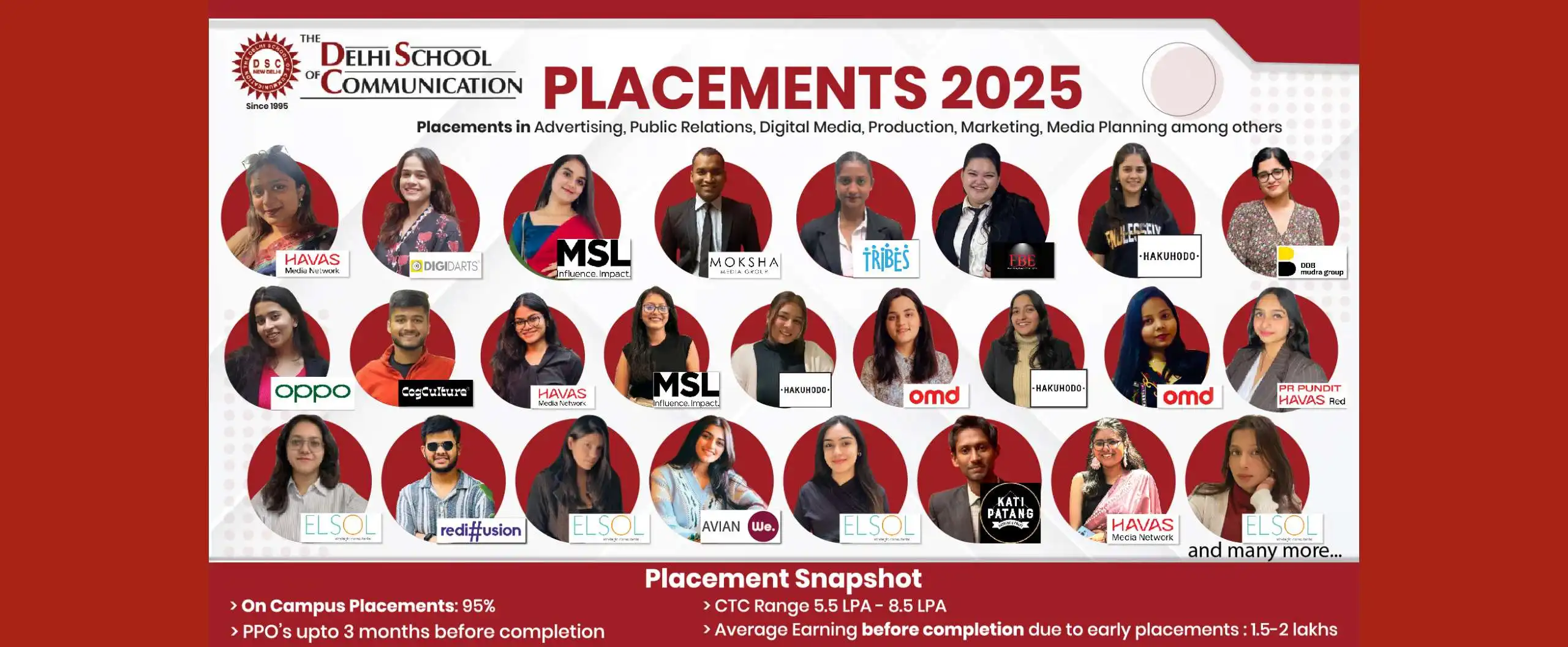
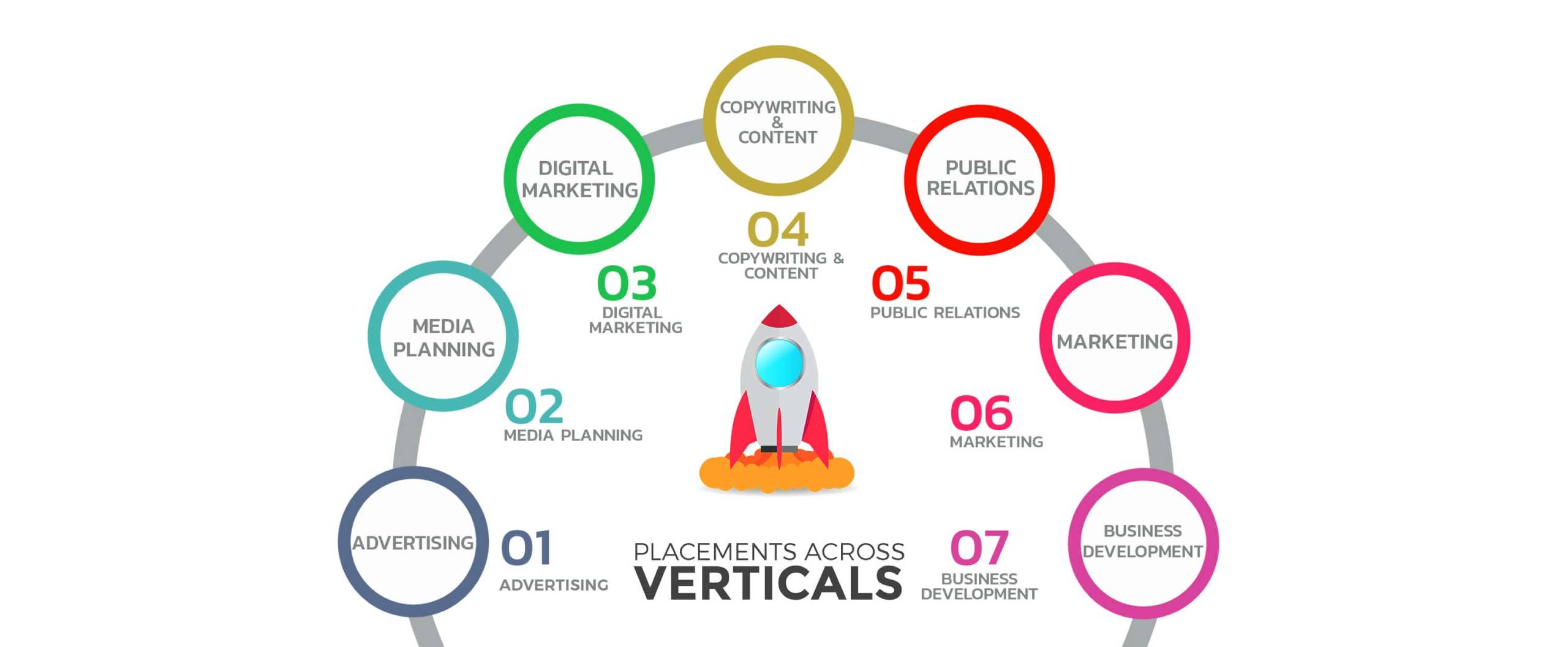
One can get a job in public relations, advertising, digital marketing, event management, journalism and many more. As for the opportunities in Communication; most good colleges provide placements, where students see steady growth. At DSC for instance, we provide the 100% placement to our students while they are pursuing their course.
While marketing communication is business-focused and targets potential consumers to increase sales, mass communication is serves the public and is generic.
Simply said, marketing communication encourages and persuades customers, whereas mass communication educates society.
Mass Communication: The practice of disseminating information to a wide range of people via media outlets including radio, television, newspapers, movies, and digital platforms. Informing, educating, entertaining, or influencing the broader audience is its primary goal.
Marketing Communication: In contrast, marketing communication is a subfield of marketing that concentrates on advertising goods, services, or brands to a particular target market. Its objectives are to raise revenue, draw in clients, and raise brand recognition.
In order to answer the above question, one needs to understand how to choose/ determine a good college.
How to Choose the Best College: The following parameters can help determine a good college for communication.
The “best” college is the one that supports your professional objectives and provides excellent academic instruction, real-world experience, and business possibilities in the communication sector of your choice. At DSC, for instance, we strive to carve each student into a sought after communication professional. The curriculum is upgraded regularly and new subjects are introduced regularly, such as AI. All internships and apprenticeships are done by the institute and there is strong placement support. DSC has a strong legacy of more than 30 years, making it a top choice for students aspiring to get into communications and media.
1. Strategic thinking: Today’s communication is strategic as well as creative. Therefore a student studying in a top college needs to be taught how to:
2. Integrated Marketing Communication (IMC): Communication in the modern era is multichannel.
They are therefore useful to brand teams and agencies.
3. Content Creation & Storytelling: Whether it’s advertising, PR, or digital — content drives engagement. Students need to be taught the following skills to empower them with the necessary skills in the job market.
Strong storytelling differentiates good communicators from average ones.
4. Corporate Communication & PR Skills Any communication programme should cover Corporate Communications and PR. These are today vital for managing one’s reputation. Therefore students ought to be aware of:
5. Presentation & Executive Presence Industry demands confidence. Students need:
6. Ethics & Responsible Communication
particularly significant in the changing media landscape in India. Incorporate:
Public relations (PR) and advertising have a very special relationship and serve distinct purposes. The two linked areas differ in the following important ways:
An individual who can think strategically and creatively can start strong and experience enormous career growth in communication in various fields be it, Advertising, PR, Digital, Events and so on. While Advertising is seeing the influence of digital increasingly; it is therefore seeing a shift and change in operating dynamics. Individuals empowered with a knowledge of digital, AI etc will hold sway over students who only know traditional mediums.
On the other hand, industries like Public Relations and Corporate Communications have seen massive growth. Be it Brands, organisations, celebrities everyone needs reputation management. Therefore students stepping out of top PR colleges like Delhi School of Communication are seeing great placements and growth.
In the current digital era, mass communication has emerged as one of the most significant industries. Communication or Mass Communication helps influence the dissemination of information and the molding of public opinion. There is enormous scope today in Communications due to the following reasons:
Ongoing Development and Innovation: The media industry is dynamic and ever-evolving. This indicates that it offers a plethora of opportunities for growth and creativity. With the advent of new platforms and technologies, there’s always something new to learn and master.
Development of Essential Skills: You may acquire the skills you need to be successful in the workplace by studying public communication. You develop a versatile skill set that prepares you for success in a range of media-related careers. Public speaking, collaboration, effective communication, and problem-solving are all part of this skill set.
Exciting Learning Atmosphere: The Delhi school of communication creates an engaging and dynamic learning environment that encourages creativity. Mentors encourage lively discussion, debate, and hands-on learning in order to cultivate a culture of inquiry and innovation. Whether in the classroom or on the job, you’re always learning and growing, ready to take on new challenges and opportunities.
The two year flagship Post Graduate Programme at the Delhi School of Communication has three specializations:
Advertisement and Entertainment Management: The two-year integrated marketing communication curriculum at DSC has included the advertising specialization as a crucial component. The goal of the subject is to acquaint students with the fundamentals of advertising and how they apply to actual circumstances. All the essential components of advertising are covered in this specialization, including agency administration and structure, different divisions and how they operate, copywriting, visualization, and advertising production. The lesson discusses advertising strategy, which involves thorough campaign preparation. There is also extensive instruction on media planning and purchasing. One of Delhi’s oldest advertising schools is DSC.
In order to connect theory with idea application, the specialization entails analyzing a large number of case studies, seminars, intense presentations, brand and marketing festivals, and games. Industry professionals are invited to focus on particular topics and help students efficiently handle issues in the future.
Marketing and Digital: The specialty covers every important aspect of marketing, including brand, competition, product, and marketing concepts. Key marketing techniques and competition strategies are included. In-depth research on consumer behavior, digital marketing, and direct marketing are also covered in the course and AI has already been added. Additionally, a thorough examination of rural marketing and communication, as well as a worldwide marketing viewpoint. The last two divisions focus on thoroughly examined, diametrically opposed marketing concepts and ways of thinking. In order to connect theory with idea application, the specialty entails analyzing a large number of case studies, seminars, intense presentations, brand and marketing festivals, and games. Industry professionals are invited to focus on particular topics and help students efficiently handle issues in the future. Without practice, theory is insufficient. Through rigorous internships, the DSC program guarantees that each semester concludes with job experience. Since its start, DSC has included a novel idea of half-day work and courses, strengthening and enhancing the theory-practice link.
Public relation and Journalism: The specialization covers every important aspect of public relations, including the agency’s organization, departments, and operations, as well as PR roles, tools, and tactics, crisis management, and strategic planning and thinking. Press relations and media monitoring are also extensively covered in the course. Journalism explores a wide range of topics, including the history of journalism, the press’s numerous divisions and how they operate, editing and editorial work, and different kinds of reporting. Students are assigned in-field work to cover a variety of news reporting beats, allowing them to experience the process in real time. The written word is practiced extensively, and the activities are rigorous, intricate, and varied. To make learning integrative and iterative, a lot of written work is done in a variety of program disciplines through presentations and report writing. Numerous case studies, workshops, tough presentations, and formulating PR strategy are all part of the expertise. Students studying journalism intend to produce a magazine that includes marketing and promotion. Better idea comprehension and application result from this. Industry professionals are invited to focus on particular topics and help students efficiently handle issues in the future.
Yes, DSC provides scholarships upto 2lakh for the students.
The scholarships encourage our communication students to be creative, committed, and passionate about excellence, which pushes them to keep improving.
1. Admission Scholarship: Given to many deserving students each year in recognition of their research and strategic intelligence, the admission scholarship encourages them to continue learning and developing.
2. The Dean’s Award: The Dean’s Scholarship, which carries a Rs 25,000 cash reward pere semester, is given to an outstanding student who has topped per semester. The Dean’s Award consists of a total of Rs 1,00,000.
3. The Mavericks established the Maverick of the Year honor, which recognizes talent that exhibits curiosity, dedication, strategic thinking and teamwork. The honor comes with a Certificate of Excellence, Rs 75,000/- and a permanent offer to join the esteemed Mavericks.
4. Consocia Advisory established the Best Storyteller in Public Relations Award: The prize inspires the upcoming generation of communicators to preserve the ability of meaningful storytelling to create important tales. There is a cash reward of Rs 25,000 for this award.
We are looking for students whose academic and professional backgrounds, communication skills, and passion to succeed in the field of Marketing and Communication, meet the demands of our flagship IMC program.
The Application Process
Start Online Submission: The faster and simpler way to apply to The Delhi school of communication is by filling and submitting the application form online: https://dsc.edu.in/registration-form-new
Candidature Requirements: For selection to DSC the candidate has to clear either our Internal Admission test or secure a certain percentage (kindly check with the institute) in any Indian Management Competitive exam such as MAT/CAT/ATMA.
Online Test: For selection there is aptitude and psychological online test, link would be given to the mail id. These are proctored tests. One can complete the test within 24 hours.
Personality Interview: The Personality Interview is conducted after the online Test. It is the main criteria for selection to DSC.
The common application is required for students applying to DSC’s flagship programme. Your candidature will only be considered if you’ve filled in the online/offline form. Incomplete forms will not be considered so please take time to fill yours carefully.
You can apply if you meet the following requirements: